BUDGET KEY TAKEAWAYS
Your First Home could boost demand for new-builds, with the government expecting the £4.7bn scheme to support around 70,000 first-time buyers and 20,000 new homes, while Zoopla estimates that up to 30,000 buyers a year could benefit if local price caps are set at the right levels.
A new First Time Buyer ISA will launch in 2029, offering a 25% government bonus on savings used to buy a qualifying first home worth up to £450,000.
Landlords face a further increase in property income tax, with rates rising by another two percentage points from April 2027, on top of the increase announced in the 2025 Budget.
Housebuilders and social housing receive additional support, including £1.5bn for around 10,000 additional social and affordable homes and an exemption from Biodiversity Net Gain requirements for qualifying small brownfield developments.
Sales Market Conditions, with 7% more homes for sale and sales agreed down 7% year on year, making realistic pricing and evidence-led advice increasingly important.
More than a third of homes are in postcode areas where prices are falling, rising to 85% in London and the South East.
Against this backdrop, the Budget has introduced measures aimed at helping first-time buyers, supporting housebuilders and changing the tax position for landlords. Here’s what the announcements could mean for the property market.
The Autumn Budget comes at a challenging time for the housing market. The latest Zoopla statistics found that UK house prices rose by 0.8% in the year to September, but sales agreed were down 7% year on year, and the number of homes for sale was up 7%.
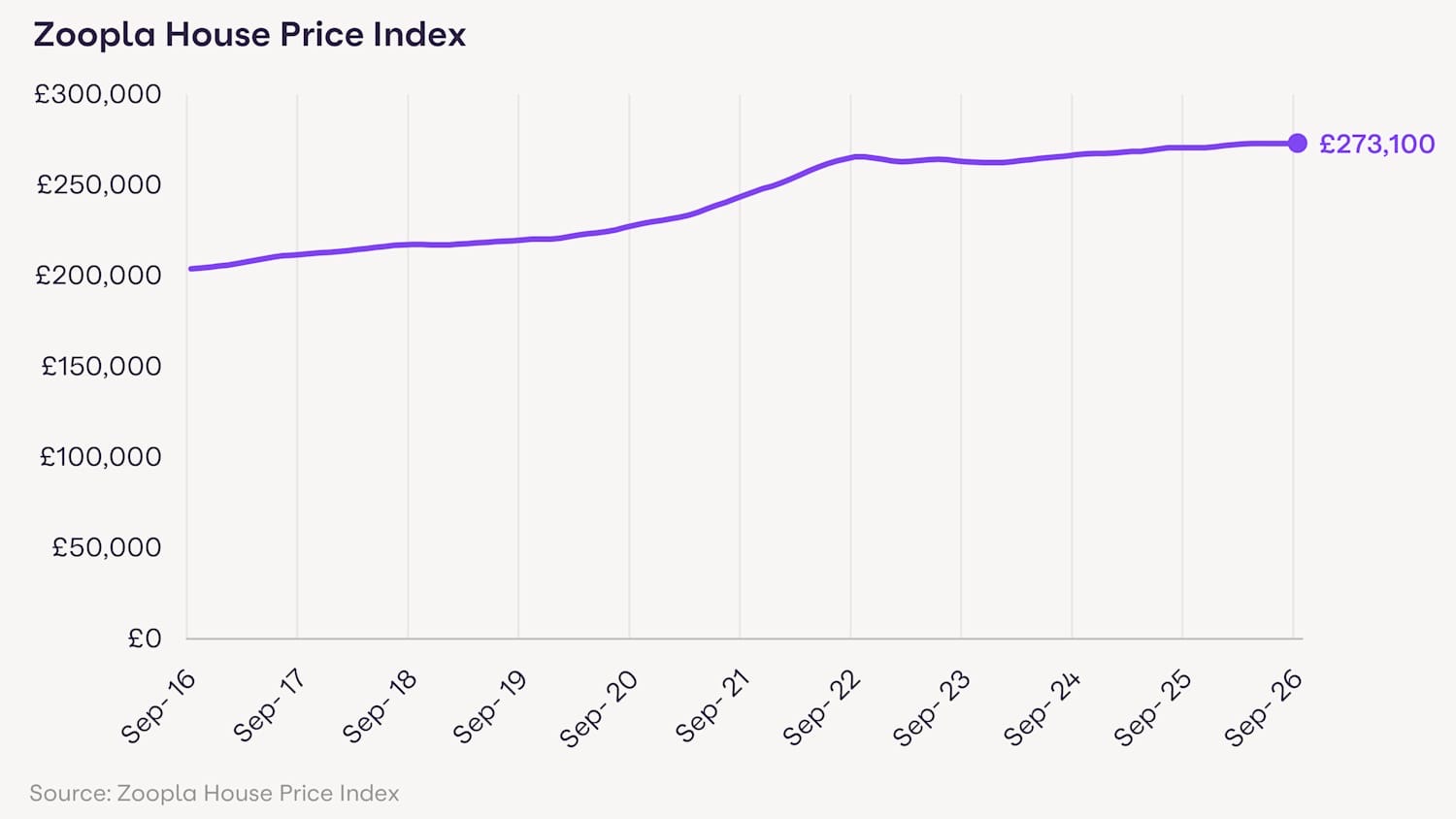
More than a third of homes are in postcode areas where prices are falling, rising to 85% in London and the South East.
Against this backdrop, the Budget has introduced measures aimed at helping first-time buyers, supporting housebuilders and changing the tax position for landlords. Here’s what the announcements could mean for the property market.
YOUR FIRST HOME SCHEME:
BOOST FOR HOUSEBUILDERS AND FIRST-TIME BUYERS
The government has announced £4.7bn of government-backed lending for the Your First Time Home Scheme, with pre-registration expected to open by the end of December 2026, full applications from February 2027 and the first loans from April 2027.
The scheme will help eligible first-time buyers purchase new-build homes with a 2.5% deposit, supported by a 20% government-backed equity loan.
Eligibility will depend on household income and local property price caps. The income cap is £110,000 outside London and £140,000 in London, with price caps based on local authority median prices. The scheme also includes a five-year interest-free period on the equity loan.
Zoopla interestingly saw an immediate 40% increase in searches for new homes when the scheme was first announced ahead of the party conferences. This suggests there is buyer appetite for support, although the scheme’s impact will depend on the final eligibility criteria and how many homes qualify.
For housebuilders, it could help stimulate demand for new homes as higher borrowing costs make buyers more cautious.
FIRST-TIME BUYER ISA TO REPLACE THE LIFETIME ISA
The Chancellor has announced that a new First-Time Buyer ISA will be introduced from April 2029, replacing the Lifetime ISA for new savers.
Existing Lifetime ISA holders will be able to continue under the current rules. From 29 October 2026, the withdrawal charge for existing holders buying a qualifying first home priced above £450,000 will fall from 25% to 20%, protecting their original contributions.
The new ISA will allow savings of up to £4,000 a year, with a 25% government bonus on withdrawals used to buy a qualifying first home worth up to £450,000. The maximum bonus will be £20,000, and there will be no upper age restriction.
Further detail on how the new ISA will work will be important in understanding how it compares with the existing scheme and what it means for first-time buyers saving for a deposit.
SUPPORT FOR HOUSEBUILDERS AND SOCIAL HOUSING
The Budget also includes measures aimed at reducing costs for builders and increasing funding for social housing, alongside incentives to encourage the release of land for social housing development.
It provides an additional £1.5bn for the Social and Affordable Homes Programme, expected to deliver around 10,000 additional homes.
The Budget also exempts qualifying residential brownfield developments of up to 1.5 hectares in England from Biodiversity Net Gain requirements, with an implementation timeline still to be published.
These measures could help support housing delivery and affordability over the longer term. Their impact will depend on the detail of how the support is structured, how quickly it can be delivered and whether it leads to more homes being built.
CHANGES TO TAX ON RENTAL INCOME
The Budget introduces an additional 2% tax on rental income, which could further reduce returns for landlords who own properties in their own name.
From 6 April 2027, property income tax rates will rise by a further two percentage points, taking the basic rate to 24%, the higher rate to 44% and the additional rate to 49%. This is on top of the increase announced in the 2025 Budget.
The impact may differ depending on how a property is owned, including whether it is held personally or through a limited company.
Landlords should seek professional tax advice to understand the implications for their individual circumstances. It will also be important to monitor how the changes affect the supply of homes available to rent.
If you would like to discuss any of these points further and how this may affect you, I look forward to hearing from you.